Pregnancy is one of the most beautiful phases in any woman's life. But, sometimes it can be challenging due to different issues like age, health problems, ...
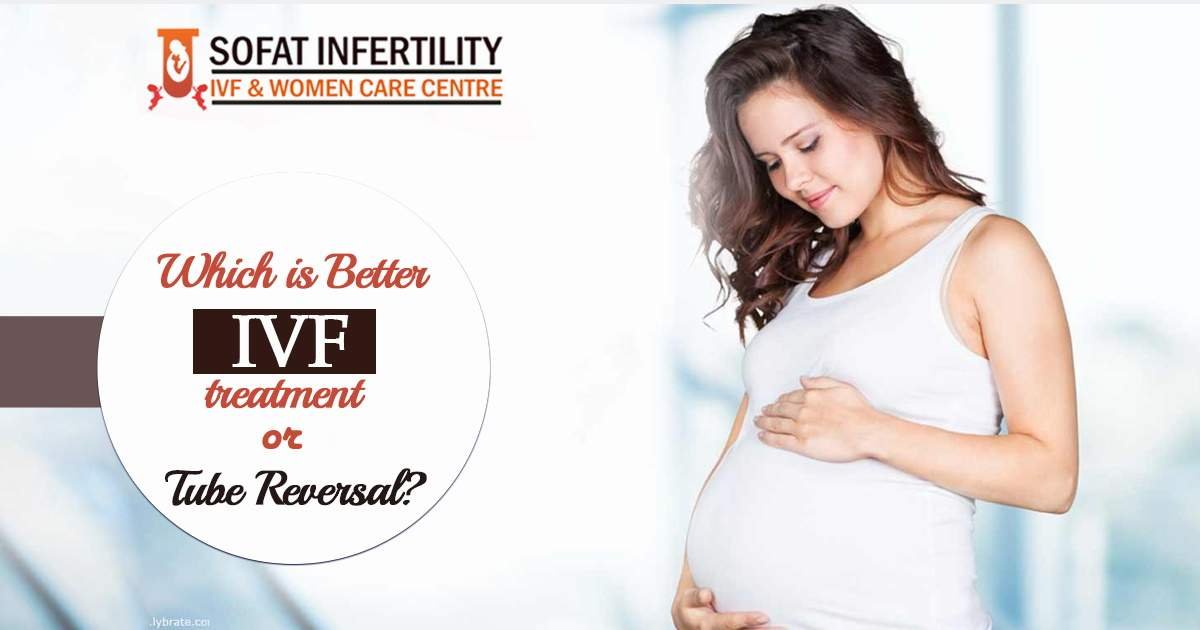
Pregnancy is one of the most beautiful phases in any woman's life. But, sometimes it can be challenging due to different issues like age, health problems, or problems with fallopian tubes. Many patients wonder which option is better between IVF treatment and tube reversal. Read the given topic for better understanding.
Overview
In most cases, the patients can undergo the surgical reversal of sterilization which is known as Tube Reversal. Many patients have chosen to get the IVF because of the infertility issue. This is true, the procedure has gained a lot of attention in the last few years. No doubt, the treatment has many couples all over the world to conceive despite all the odds.Procedure of Tube Reversal
Tube reversal is a very simple procedure in which tubal segments are restored. The procedure is for the women who wish to get pregnant without getting into any medical procedure.- The blocked section of the fallopian tubes is connected which helps the egg to move the tube and connect with sperm.
- To undergo the procedure, the fertility doctor will consider your age, weight, and fertility factors.
- The doctor will also keep in mind the possibility of ectopic pregnancy. But, it is important to keep in mind not every type of tube sterilization can be reversed back.
In-Vitro-Fertilization (IVF)
At our IVF centre, patients get the highest success rate. Our IVF doctor gives the best treatment plan which helps to improve the conception chances drastically.- In this procedure, the egg and sperm are fertilized in the lab. They are kept together in a controlled environment which facilitates the pregnancy process. It means undergoing this procedure will completely bypass the need for fallopian tubes.
- Once the fertilization is done, the embryo is formed. The doctor will choose the healthiest embryo for the treatment. After that, the embryo is placed in the woman's reproductive tract so that the woman can get pregnant.
Consult the fertility doctor
If you are trying to conceive and you are in doubt what you need to do then you should consult our fertility doctor. She will guide you on how you can improve the conception chances by choosing the best fertility treatment. For more information, book your initial consultation with our fertility expert today only!Book Consultation
Speak with our senior IVF specialists in Ludhiana.
Recent Guides