IVF Treatment Near Bathinda
Take an Informed Approach to Conception
Difficulty conceiving can affect individuals and couples for many different reasons. At Sofat Infertility & Women Care Centre in Ludhiana, patients from Bathinda can discuss fertility assessment and possible treatment options, including IVF.
In vitro fertilization (IVF), sometimes called test-tube baby treatment, is one form of assisted reproductive technology. A fertility specialist can review your health, history and test results before advising whether IVF or another approach may be suitable.
What Is IVF?
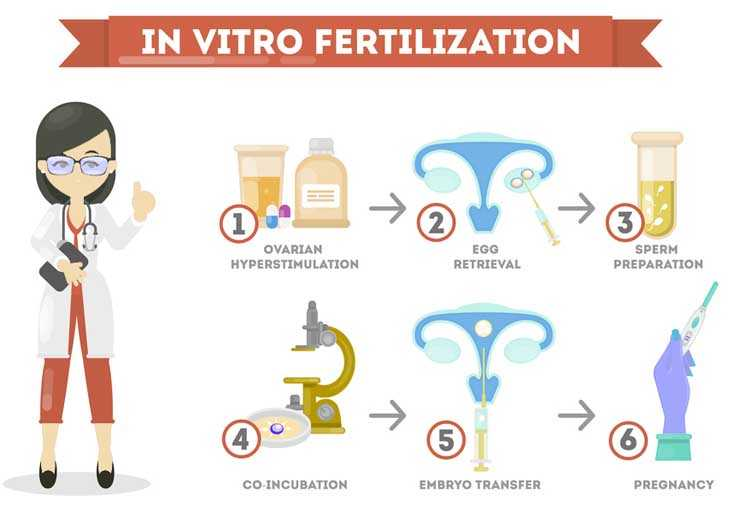
IVF is a treatment in which eggs and sperm are brought together in a laboratory. If an embryo develops, the fertility team may recommend transferring it to the uterus or freezing it for possible future use. Pregnancy may occur if an embryo implants, but an IVF cycle does not guarantee pregnancy.
The exact steps depend on the patient’s health and treatment plan. A specialist can explain the process, likely timeline, available alternatives, costs and possible risks before treatment begins.
Why Might IVF Be Considered?
A specialist may discuss IVF after an assessment when one or more factors are affecting conception. These may include:
- Blocked or damaged fallopian tubes.
- Endometriosis or some conditions affecting ovulation.
- Low sperm count or other sperm-related findings.
- Polycystic ovary syndrome (PCOS) or other ovarian concerns.
- Uterine conditions, such as fibroids, depending on their location and effect.
- Unexplained difficulty conceiving or previous treatment that has not worked.
- A need to discuss fertility preservation or other individually assessed options.
These factors do not automatically mean IVF is needed. The care team can explain which investigations and treatment options may be relevant to your circumstances.
Possible Causes of Female Infertility
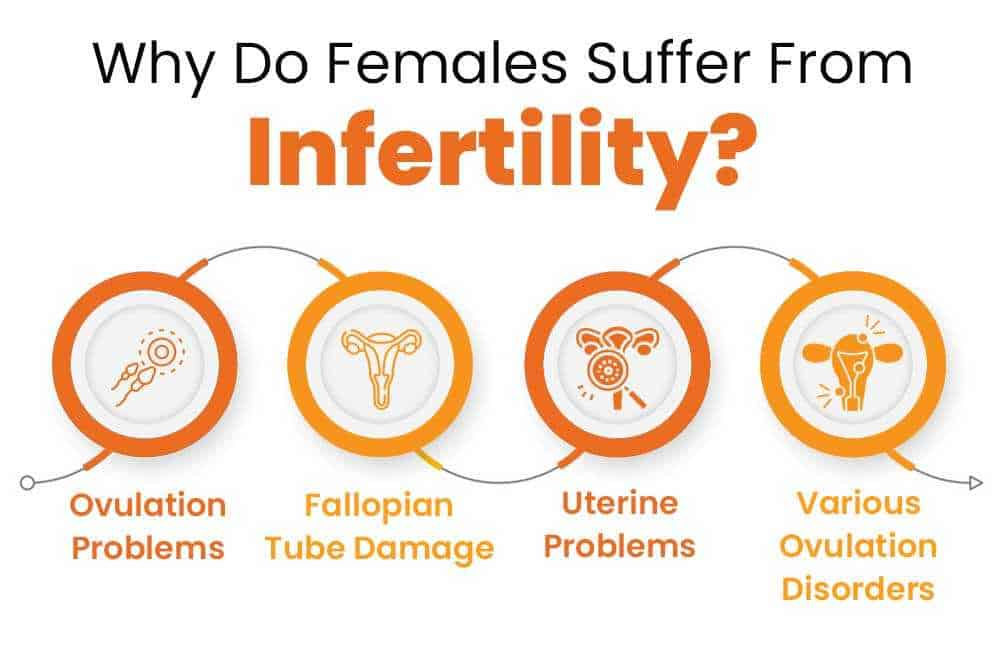
Female infertility can have several possible causes. These may include ovulation difficulties, conditions affecting the fallopian tubes, endometriosis or some conditions involving the uterus. Male-factor concerns can also contribute, and sometimes an evaluation does not identify one clear cause.
An illustration can help introduce some of these topics, but it cannot diagnose a condition. A clinician can review symptoms, medical history and test results to discuss what may apply to an individual patient.
Steps in a Typical IVF Cycle
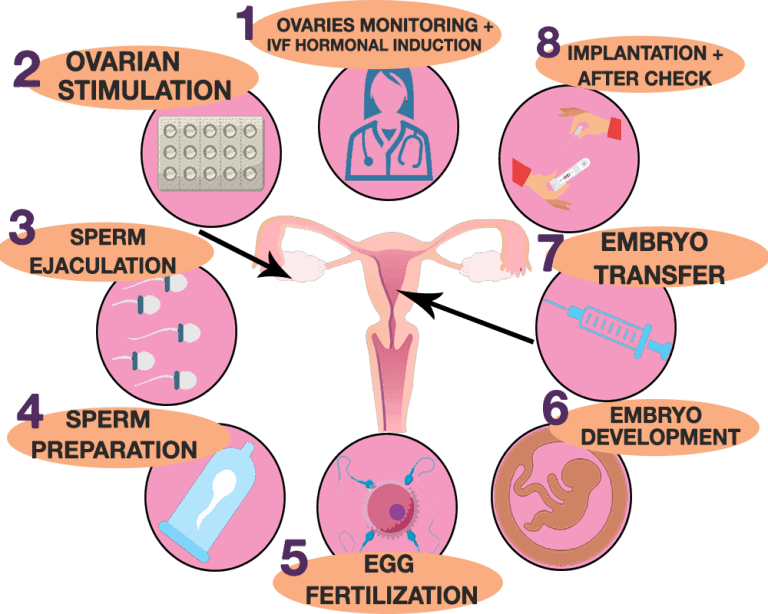
An IVF cycle is planned individually. Depending on the protocol, the care team may discuss the following steps:
- Cycle planning: The specialist reviews the patient’s history and test results. Medication to coordinate the cycle may be considered for some patients.
- Ovarian stimulation: Injectable medicines may be used to help several eggs develop. Ultrasound scans and other monitoring guide the treatment.
- Egg retrieval: When the eggs are ready, they are collected in a clinical procedure. The team explains the procedure and the type of pain relief or sedation planned.
- Sperm collection and preparation: A sample is prepared by the laboratory. The team provides instructions about timing and collection.
- Fertilization: Eggs and sperm are brought together in the laboratory. Conventional IVF or ICSI may be used depending on the clinical and laboratory assessment.
- Embryo development: Embryos are observed by the laboratory team. Not all eggs fertilize or develop to a stage suitable for transfer.
- Embryo transfer or freezing: The specialist discusses the timing and whether an embryo transfer or freezing is appropriate. The plan can change according to health and treatment factors.
- Follow-up: The care team advises when to take a pregnancy test and what follow-up is needed.
Medication, timing and procedures differ from one person to another. Only take fertility medicines as prescribed and follow the clinic’s instructions.
Discuss IVF Treatment from Bathinda
Sofat Infertility & Women Care Centre is in Ludhiana and welcomes enquiries from patients travelling from Bathinda. Contact the care team to discuss an initial assessment, appointment availability and the reports you may want to bring.
Request an appointment to talk about your fertility concerns and possible next steps.
Treatment choices and outcomes vary. A specialist should explain relevant benefits, limitations and risks, including the possibility that a cycle may not result in pregnancy.