IVF Centre for Patients from Delhi with High Success Ratio
A Complete In Vitro Fertilization (IVF) Guide at Sofat Infertility Centre
Difficulty conceiving can affect both men and women and may have several causes. A fertility assessment can help identify possible factors and discuss appropriate options. Sofat IVF Hospital is in Ludhiana and welcomes patients travelling from Delhi for consultation and care.
What is IVF?
In vitro fertilization (IVF) is an assisted reproductive treatment in which eggs and sperm are brought together in a laboratory. If fertilization occurs, an embryo may be transferred to the uterus or frozen for possible future use, depending on the clinical plan.
IVF involves several steps and is not suitable or necessary for everyone. A fertility specialist can explain the expected benefits, limitations, alternatives, and risks for each individual or couple.

Who may be considered for IVF?
A specialist may discuss IVF after reviewing a couple’s medical history, test results, and previous treatment. Factors that can lead to an evaluation include:
- Ovulation difficulties, including anovulation
- Blocked or damaged fallopian tubes
- Endometriosis, uterine fibroids, or polyps
- Pelvic inflammatory disease or a past reproductive infection
- Cervical or other reproductive-tract concerns
- Low sperm count, reduced sperm motility, or other semen-related findings
- Some genetic conditions or unexplained difficulty conceiving
These factors do not by themselves determine which treatment is right. Assessment is needed, and sometimes no single cause is identified.
An overview of the IVF process
The treatment plan varies with a patient’s health, test results, and response to medication. A typical IVF cycle may include:
- Consultation, fertility evaluation, and an individualized treatment plan
- Ovarian stimulation medication, with ultrasound and blood-test monitoring
- Egg retrieval, usually performed with sedation or anaesthesia
- Sperm collection and laboratory preparation
- Fertilization in the laboratory; ICSI may be considered when clinically appropriate
- Embryo culture and assessment by the embryology team
- Embryo transfer or freezing, as recommended and agreed with the patient
- A follow-up pregnancy test at the time advised by the care team
In some treatment plans, medication is used to coordinate or suppress the menstrual cycle. The exact medicines, monitoring schedule, and timing are decided by the treating specialist.
Egg retrieval and fertilization
When monitoring indicates that the eggs are ready, a trigger medication may be given before retrieval. Eggs are collected in a procedure under clinical supervision. A sperm sample is prepared in the laboratory and fertilization is attempted using the method selected for the case.
Embryo assessment and transfer
Embryos are assessed by the embryology team. The number and timing of embryos transferred are decided individually with the specialist; transferring more embryos can increase the risk of a multiple pregnancy. Suitable embryos may be frozen when appropriate.
How long does IVF treatment take?
A treatment cycle may take around five to six weeks from the start of medication to the pregnancy test, but the schedule varies. Additional tests, appointments, or a freeze-all plan can change the timeline. The clinic can provide a schedule based on your treatment plan.
Indicative treatment costs
The figures below are reproduced from the supplied article and should not be treated as a current quote. Costs depend on the treatment plan and what is included; ask the centre to confirm current fees, medicines, investigations, and any additional charges before proceeding.
| Procedure | Single cycle | Multiple cycles | Packages / extra charges in supplied copy |
|---|---|---|---|
| IVF | ₹1,20,000–₹2,80,000 | ₹2,90,000–₹5,00,000 | Package terms and extra charges not clearly specified |
| Assisted hatching | ₹50,000–₹70,000 | ₹80,000–₹1,00,000 | No package details specified |
| ICSI | ₹1,30,000–₹3,00,000 | ₹3,00,000–₹5,00,000 | Confirm whether included in a treatment package |
| Laparoscopic procedures | ₹30,000–₹50,000 | ₹50,000–₹80,000 | No package details specified |
Our success stories
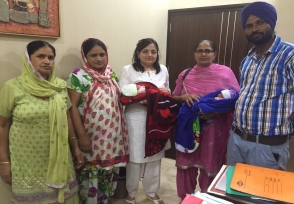
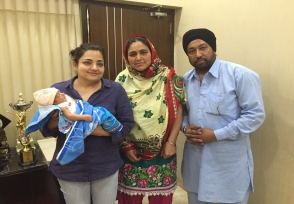
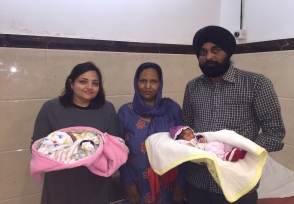
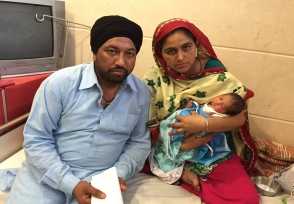
Each family’s experience is personal. These photographs are shared as patient stories; they do not predict or guarantee the outcome of another person’s treatment. The care team can discuss questions about treatment expectations during a consultation.
Success chances with IVF
The supplied article lists the following age bands and success-rate ranges. The source does not define the outcome measured or the patient group, so these figures are general source material—not verified, clinic-specific statistics or a personal prediction. Ask the fertility team for current, clearly defined outcome data relevant to your circumstances.
IVF outcomes vary with age, diagnosis, treatment history, and other individual factors. No success rate can guarantee an individual result.
IVF risks
Possible risks include multiple pregnancy, miscarriage, ectopic pregnancy, ovarian hyperstimulation, and side effects or unexpected reactions to fertility medication. The likelihood differs by patient and treatment plan. Your specialist should explain relevant risks and ways they are monitored before treatment begins.
Travelling from Delhi to Sofat IVF Hospital
Sofat IVF Hospital is located in Ludhiana. The supplied article lists approximate journey durations of about 5 hours 20 minutes by train, around 5 hours 50 minutes to 6 hours by bus, and about 1 hour by flight followed by roughly 25 minutes by cab. These are unverified estimates and may change with route, schedule, traffic, and airport transfers; check current travel information before planning.
When to seek an infertility assessment
Conception involves ovulation, sperm reaching and fertilizing an egg, open fallopian tubes, and a uterus able to support a pregnancy. A clinician can assess these factors and advise when to seek care based on age, health history, and how long you have been trying.
Possible causes of infertility
- Age: Egg number and quality generally change over time, which can affect the chance of conception.
- Fallopian tube concerns: Previous infection, endometriosis, or surgery can damage or block the tubes.
- Hormonal or ovulation difficulties: Hormonal conditions may affect ovulation or the menstrual cycle.
- Cervical or uterine factors: Some conditions involving cervical mucus, uterine structure, fibroids, or polyps may affect conception or pregnancy.
- Male-factor infertility: Sperm count, movement, shape, or other health factors may contribute.
- Unexplained infertility: Sometimes standard testing does not identify a single cause.
Infertility can involve one or both partners. A shared evaluation helps the care team recommend appropriate next steps rather than assuming a cause.
Ovulation disorders
Ovulation disorders can be related to hormonal conditions or ovarian function. Examples include:
Polycystic ovary syndrome (PCOS)
PCOS can affect hormone levels and ovulation. Symptoms and treatment needs vary; assessment by a clinician can help guide care.
Hypothalamic or pituitary-related ovulation changes
Hormonal signalling, significant weight changes, intense exercise, stress, or other health factors may affect menstrual cycles and ovulation. A clinician can investigate persistent irregular or absent periods.
Premature ovarian insufficiency
Reduced ovarian function before age 40 can affect hormone production and fertility. A specialist can discuss evaluation and available options.
Elevated prolactin
High prolactin levels can interfere with reproductive hormones and menstrual cycles. The cause and treatment are determined through medical assessment.
For a personal assessment or to discuss care from Delhi, contact the Sofat IVF team.